

Scans incoming lab results, imaging studies, and patient history flags to identify patterns consistent with Stage I and II malignancies. The system surfaces candidates for follow-up testing that current clinical protocols miss at a rate of 18% in our validation cohort.
Monitors longitudinal biomarker trends against established oncology response criteria (RECIST, iRECIST, PERCIST). Clinical teams receive automated alerts when response diverges from expected trajectory, enabling timely protocol adjustments.

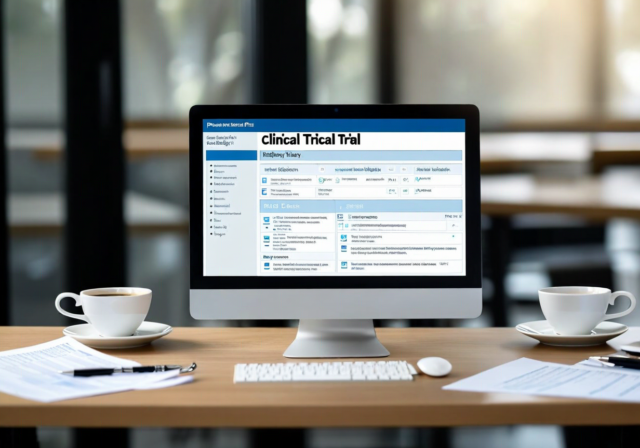
Automatically screens eligible patients against active clinical trials registered in ClinicalTrials.gov. Pegasi's eligibility engine parses unstructured inclusion and exclusion criteria and matches them against structured patient data, eliminating the manual chart review burden on research coordinators.
From signed agreement to live deployment in 8 weeks
Week 1-2: EHR access provisioning, HIPAA BAA execution, IT firewall rules, and stakeholder alignment with your informatics team.
Week 3-5: FHIR API connection, data normalization, and model calibration against a 90-day historical cohort from your EHR.
Week 6-7: Shadow mode deployment on live patient data. Clinical team reviews alerts before they surface in the EHR workflow.
Week 8: Full deployment with real-time clinical alerts, dashboard access for department heads, and monthly performance reporting.
Built for the realities of clinical oncology — not for demo day
Pegasi embeds into Epic and Cerner — no secondary logins, no context switching. Oncologists see diagnostic intelligence inside the tools they already use every day.
Across 12 partner institutions, Pegasi has reduced average time-to-diagnosis by 14 weeks and identified 340+ early-stage cases in its first year of deployment.
Every deployment gets a dedicated account manager with oncology informatics experience. We tune models to your patient population and support tumor board integration.